Case study: Rebase Consulting
- Company
- Rebase Consulting
- Industry
- IT consulting
- Country
- Finland
Five hours of prospecting in 15 minutes – Clevenio supports Rebase Consulting's ambitious growth targets
Key takeaways
- 01.
A 95 per cent reduction in time spent on prospecting
Compiling a week's worth of call lists now takes approximately 15 minutes instead of five hours. The sales team can now focus on actual sales work.
- 02.
More precise targeting, higher-quality outreach
Clevenio's high-quality data and AI-powered features help Rebase identify the right decision-makers and seamlessly transfer their contact details into its CRM system.
- 03.
Efficient new customer acquisition supports growth
Since Rebase started using Clevenio, its direct sales have more than quadrupled, from €0.9 million to approximately €4.03 million. Efficient prospecting supports the company's ambitious growth targets.
With Clevenio, Rebase Consulting has reduced the time spent compiling call lists by 95 per cent. The sales team can now focus on what matters most: talking to customers. What’s more, the company’s direct sales have more than quadrupled.
The IT consulting market is facing challenging times, but Rebase Consulting is determined to swim against the tide. The company, which provides senior-level IT specialists to its clients, aims to grow by 30 per cent next year while achieving a 15 per cent EBIT margin.
Efficient new customer acquisition plays a key role in achieving these ambitious growth targets. Minimising the time spent on prospecting is essential to success, allowing the sales team to focus on what matters most.
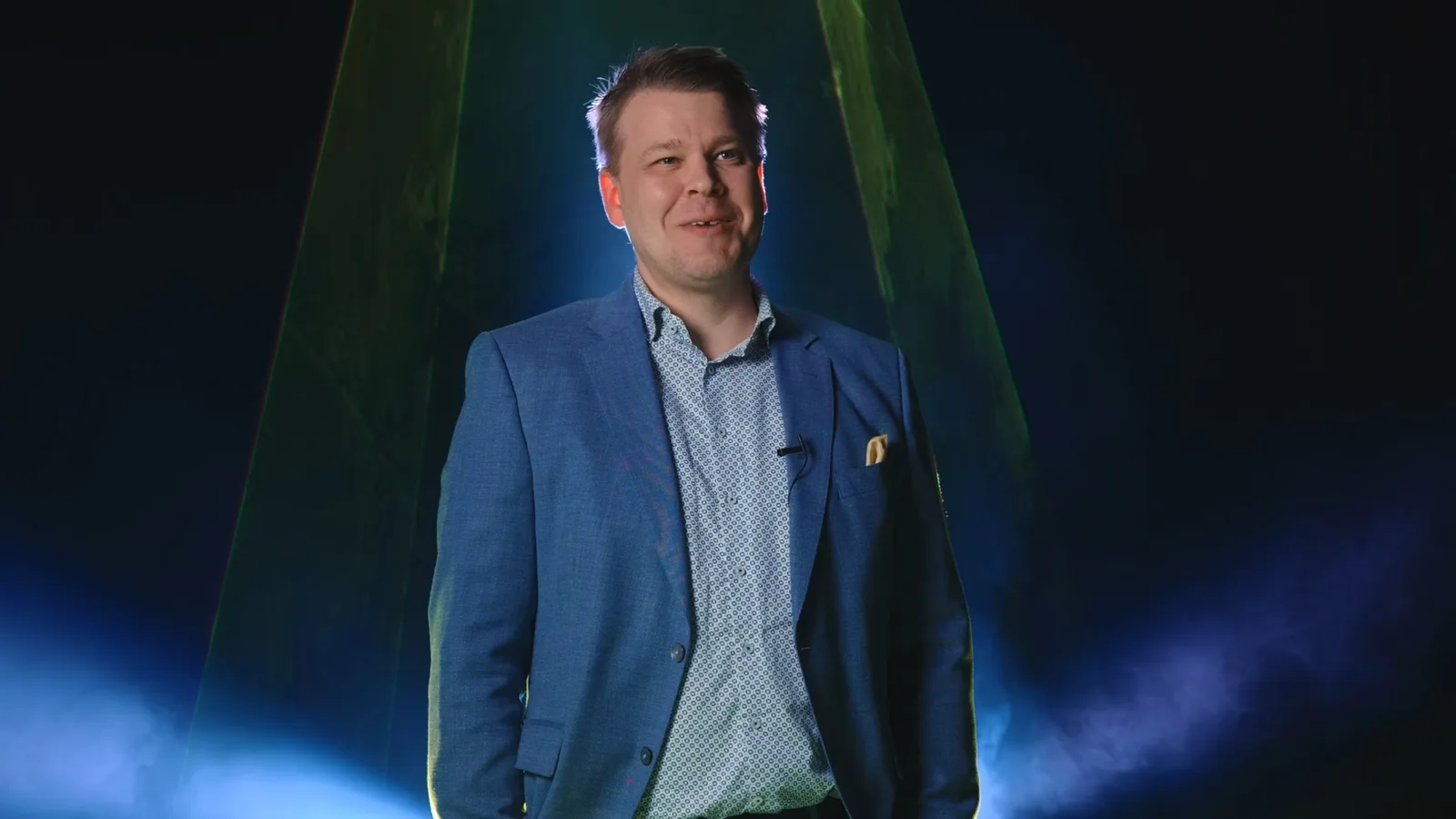
“Prospecting is the biggest waste of a salesperson’s time. Salespeople are highly paid, and their compensation is often performance-based. They need to spend their time on what matters: talking to customers,” says Johannes Torppa, Head of Sales at Rebase Consulting.

Speed and data quality matter most
When Torppa started in his role in spring 2025, he quickly realised that Rebase’s prospecting processes and tools had room for improvement. The sales team carried out prospecting manually, spending several hours on the task every week.
“First, we had to look up company information, then identify the decision-makers within those companies, and finally use different tools to find their contact details. With demanding sales targets, I had to get to the office well before eight to have my call list ready by the start of the working day. In the afternoon, I had to repeat the whole process,” Torppa explains.
When Rebase began looking for a new prospecting tool, saving time was one of the key selection criteria. The team needed to find the right people’s contact details as quickly as possible and transfer them seamlessly into the company’s CRM system. Torppa considers data quality almost equally important, as effective sales work depends on reaching people in specific roles within carefully defined industries.
Torppa was already familiar with Clevenio, having followed the company’s founders on LinkedIn. However, he was initially sceptical about their solution. It just sounded too good to be true.
“I wondered why these guys would have succeeded in solving a problem that so many others had been trying to solve for years. Aren’t the data sources the same for everyone? Apparently not. What convinced me was the founders’ almost obsessive determination to deliver high-quality prospecting data to their customers quickly,” Torppa says.

“Prospecting is the biggest waste of a salesperson’s time.”

Direct sales have more than quadrupled
Rebase has now been using Clevenio’s prospecting tool for a year and a half. Torppa estimates that compiling a week’s worth of call lists now takes no more than 15 minutes, compared with at least five hours a week previously. The time saved allows salespeople to focus on actual sales work, which also contributes to job satisfaction.
“The best salespeople realise fairly quickly when they are spending their time on the wrong things. Clevenio enables them to focus on what matters and maximise the number of deals they close, and consequently their own earnings,” Torppa says.
Rebase’s new customer acquisition has also grown significantly. In 2024, before the introduction of Clevenio, Rebase’s direct sales amounted to €0.9 million. In 2026, the corresponding figure is approximately €4.03 million. While many factors contribute to this growth, Torppa believes that Rebase now has its prospecting processes in good shape.
“Prospecting is certainly no longer our bottleneck. We can quickly identify the right people and obtain their contact details, which supports our ambitious growth strategy.”
Torppa is particularly impressed by a new AI-powered feature that allows salespeople to search for decision-makers at a particular level or software team leaders or other data using a natural language prompt. Clevenio automatically generates the appropriate filters, which salespeople can fine-tune as needed.
Overall, Torppa is pleased with Clevenio’s performance and is happy to recommend the tool to others – with certain reservations.
“If I were to recommend Clevenio to another sales director, I certainly wouldn’t recommend it to a competitor. But if it were a good friend who wasn’t competing with us, I’d definitely tell them to use Clevenio because it’s the best,” Torppa concludes.
Rebase Consulting at a glance
Rebase Consulting is an IT consulting company and part of the Gofore Group. It provides senior-level IT specialists to companies operating in the fintech, healthtech, retail and industrial tech sectors. Rebase aims to achieve strong growth. rebase.fi
Further reading

“Our salespeople now have too many meetings”
“Two months in, our outbound lead count was already higher than our inbound lead count.”


“Our salespeople will never spend time looking for phone numbers”
“My time is best spent meeting new customers. I'd rather sit in ten meetings a day and close six of them than look for phone numbers.”

“The best data I have seen in my career”
“Nothing was really broken before Clevenio, but it was quite inefficient. Every campaign or project always started with the question of who has time to build the lists.”